Elevate Your Projects with Prairie Flowers Anatomical Stomach Decor
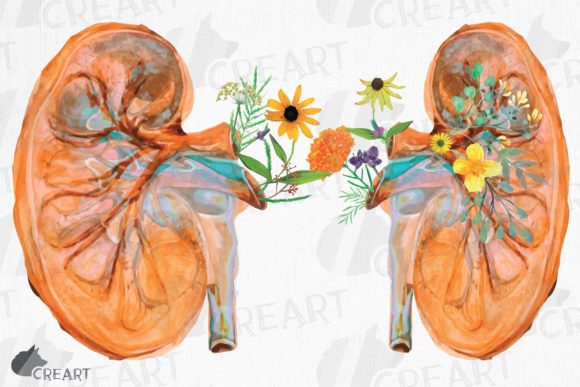
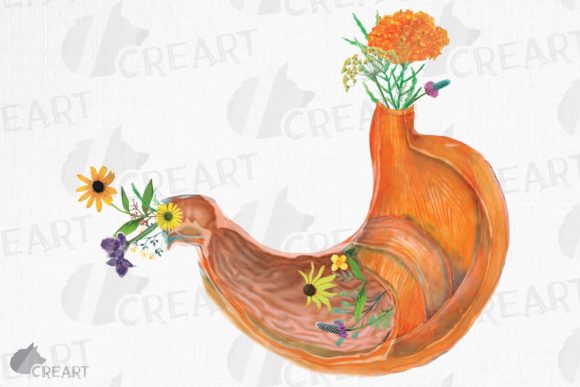
There is a unique charm in blending the organic beauty of nature with the intricate complexity of human biology. The Prairie Flowers Anatomical Stomach Decor captures this intersection perfectly, offering a design where yellow and orange florals bloom across the contours of the human digestive system. Whether you are a gastroenterologist looking for a distinctive office accent, a medical student needing a memorable study aid, or a creative entrepreneur launching a new line of sublimation products, this artwork offers endless possibilities. However, diving into digital assets for commercial or personal use requires more than just an eye for aesthetics. To ensure your final product looks professional and functions exactly as intended, it is crucial to understand the nuances of file formats, licensing, and application methods.
Understanding the Versatility of Floral Anatomy Art
This specific design is not merely a static image; it is a versatile tool for creators. The concept of prairie flowers blooming anatomical stomach design appeals to a wide demographic because it softens the clinical nature of anatomy with warm, inviting colors. It serves as an excellent stomach gift clipart for Thanksgiving, a unique element for wedding decor with a medical twist, or a standout graphic for tumbler and mug waterslide transfers. The ability to resize vector objects without quality loss means you can scale this from a tiny sticker to a large floral wall decor piece without pixelation. Yet, many users overlook the importance of selecting the right file type for their specific project, which can lead to frustrating results.
Common Pitfalls in File Selection and Usage
One of the most frequent mistakes creators make is assuming all digital files work the same way across different platforms. When you purchase a package containing PNG, JPG, SVG, AI, EPS, PSD, PDF, and DXF files, each serves a distinct purpose. Using a raster image like a JPG for a large-scale print can result in a blurry, unprofessional appearance because JPGs cannot be resized indefinitely. Conversely, trying to upload a complex vector AI file to a basic online t-shirt printer that only accepts PNGs can cause upload errors or distorted graphics.
Another overlooked detail involves the background transparency. For projects like clothing, stickers, or web design, a transparent background is non-negotiable. If you accidentally use the JPG version, which typically includes a white background box, your design will look like a square patch rather than a seamless part of the garment or page. This small error can ruin the presentation of your human anatomy decor and require tedious manual editing to fix.
Maximizing Quality in Sublimation and Print Projects
For those interested in creating tumbler or mug waterslide transfers or sublimation products, the choice of file format directly impacts the vibrancy and clarity of the final item. Sublimation requires high-resolution images to ensure the yellow and orange hues of the prairie flowers remain crisp after the heat press process. A common error here is working at 72 DPI (dots per inch), which is standard for screens but insufficient for print. Always ensure you are utilizing the high-resolution PNG or the vector files (SVG, EPS, AI) set to 300 DPI before sending them to print.
Furthermore, color management is often misunderstood. The vibrant yellows and oranges seen on your monitor may shift slightly when printed on different materials like ceramic, fabric, or paper. Beginners often blame the design file for these shifts, but the issue usually lies in the printer profile or the substrate used. Before committing to a large batch of Thanksgiving gifts or inventory for your small business, always run a test print. This simple step saves money and ensures the floral human digestive system looks as intended on the specific material you are using.
Navigating Software Compatibility
The package you receive is designed to be compatible with a variety of image editing and crafting programs, but confusion often arises regarding which software opens which file. For instance, Cricut and Silhouette users typically rely on SVG or DXF files for cutting machines. Attempting to import a layered Photoshop (PSD) file directly into a cutting machine software without proper conversion can lead to lost layers or inability to cut specific elements. Similarly, professional graphic designers using Adobe Illustrator should prioritize the AI or EPS files to maintain full editability of the vector paths.
If you are a beginner using free or entry-level software, do not feel intimidated by the array of formats. The PNG file is your safest bet for drag-and-drop simplicity in tools like Canva or basic word processors. However, if you need to change the colors of the flowers to match a specific brand palette or event theme, you must use the vector files (AI, EPS, SVG) or the layered PSD file. Trying to recolor a flattened JPG or PNG is difficult and often yields poor results, limiting your creative flexibility.
Strategic Advice for Entrepreneurs and Educators
For educators and marketers, this Prairie human stomach clip art is a powerful communication tool. It can dress up invitations, cards, and promotional materials effectively. However, when using these assets for commercial purposes, such as selling printed t-shirts or digital scrapbooking kits, it is vital to review the license terms associated with the purchase. While the files allow for extensive customization, including resizing and color changes, understanding the boundaries of commercial use protects your business from potential legal issues.
Additionally, consider the context in which you present this art. While the design is beautiful, placing it on inappropriate merchandise can dilute its impact. For example, using this detailed anatomical art on a low-quality, thin fabric might cause the fine lines of the flowers to bleed, reducing the educational value for med students or the aesthetic appeal for decor enthusiasts. Invest in quality blanks and materials that honor the detail of the vector objects.
Checklist Before You Create
To ensure success with your Prairie Flowers Anatomical Stomach Decor projects, keep this practical checklist in mind:
- Verify the File Format: Match the file type to your end goal (SVG/DXF for cutting, PNG for web/sublimation, AI/EPS for professional editing).
- Check Resolution: Ensure any raster files are set to 300 DPI for physical products to avoid blurriness.
- Test Colors: Perform a test print on your specific material to check for color accuracy, especially with the bright yellow and orange tones.
- Inspect Layers: If using PSD or AI files, open them immediately to confirm all elements are layered correctly and no parts are grouped unexpectedly.
- Review Licensing: Confirm that your intended use, whether for personal scrapbooking or commercial sales, aligns with the seller's terms.
By paying attention to these details, you transform a simple digital download into a high-quality, professional asset. Whether you are making a gift idea for a gastroenterologist, designing a website, or creating custom clothing's and accessories, the right approach ensures your vision comes to life without technical hiccups. The beauty of the prairie flowers blooming anatomical stomach design lies in its adaptability; with the correct technical execution, it becomes a timeless piece of art that educates, decorates, and inspires.