Unlocking Creative Potential with Tie Dye Leopard Print Bleached Patches
The intersection of retro nostalgia and modern streetwear has created a unique demand for designs that feel both wild and worn. Tie Dye Leopard Print Bleached Patches represent exactly this sweet spot, merging the organic chaos of tie-dye techniques with the classic boldness of animal print, all finished with a distressed, bleached aesthetic. For creators, small business owners, and hobbyists, these digital assets are more than just images; they are versatile tools ready to be integrated into physical products, marketing materials, and personal projects. Whether you are launching a clothing line on Etsy, designing custom apparel for a local band, or simply looking to upgrade your home decor, understanding how to leverage these high-resolution PNG files can significantly elevate your output.
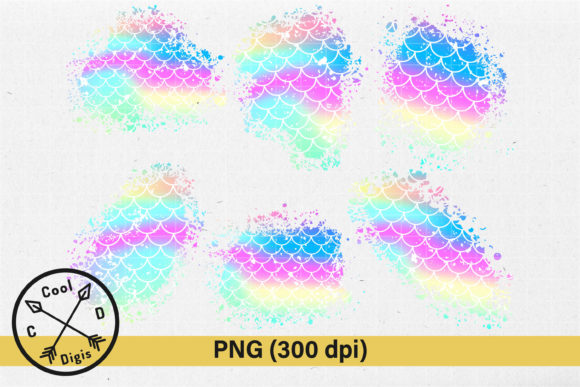
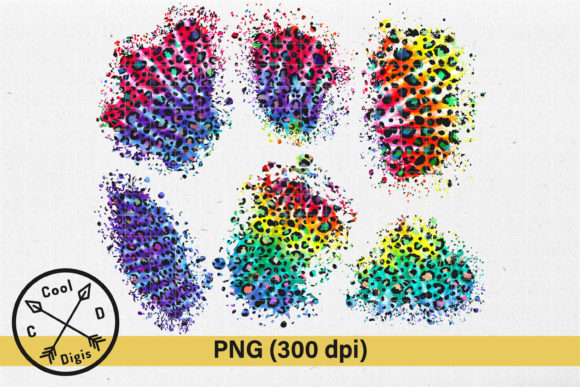
At their core, these colorful tie dye leopard print patches are digital sublimation files designed for versatility. The collection typically includes multiple elements—often around six distinct variations—packaged in a convenient ZIP folder. What sets them apart is the resolution; at 300 DPI in RGB color mode, these files are print-ready. This means whether you are printing a small patch for a hat or enlarging the design for a full-back t-shirt graphic, the quality remains crisp without pixelation. However, it is crucial to remember that these are digital downloads. They require specific software like Adobe Photoshop, Illustrator, CorelDraw, or free alternatives like GIMP and Inkscape to manipulate and prepare for production. Prior knowledge of sublimation printing is also essential to ensure the vibrant colors transfer correctly onto your chosen substrate.
Real-World Applications for Entrepreneurs and Makers
For the small business owner or the side-hustler, time is money, and design quality is currency. Using pre-made Tie Dye Leopard Print Bleached Patches allows you to skip the lengthy process of creating complex textures from scratch. Imagine running a boutique that specializes in festival wear. You need inventory that stands out in a crowded market. By applying these distressed sublimation patches to tank tops, oversized tees, or tote bags, you instantly create a product that looks professionally curated and trend-aware. The "bleached" effect mimics the popular acid-wash look that requires expensive and time-consuming chemical processes to achieve physically. With these digital files, you get that vintage, worn-in vibe instantly through ink.
Consider the scenario of a custom merchandise provider for local events or schools. Traditional logos can sometimes feel too stiff or corporate. Introducing a tie dye leopard element can soften the brand image while adding a burst of energy. You might use one of the six elements from the collection as a pocket print on a polo shirt or scale it up for a dramatic back print on a hoodie. Because the file is large and resizable, you aren't limited by size constraints. You can adapt the same asset for a small sticker sheet included in a customer's package or a large banner for a booth display, maintaining brand consistency across different scales.
Expanding Beyond Apparel: Home Decor and Digital Media
While textile printing is the most obvious application, limiting these files to just t-shirts would be underutilizing their potential. The creative possibilities extend well into home decor and lifestyle products. Think about the rise of personalized living spaces. A creator could use these Tie Dye Leopard Print Bleached Patches to design custom throw pillows, canvas wall art, or even coasters. The distressed texture adds a layer of depth that flat colors often lack, making the final physical product feel tactile and rich.
In the digital realm, bloggers and content creators can use these PNGs to enhance their visual identity. Since the files come with transparent backgrounds (standard for PNGs), they can be easily layered over website backgrounds, social media posts, or YouTube thumbnails. A fashion blogger writing an article about autumn trends could use a faded leopard patch as a decorative border or a watermark. An educator creating engaging slides for a presentation on pattern design or textile history could use these images as realistic examples of modern pattern mixing. The key here is the transparency; it allows the design to sit naturally over any background color or image without those unsightly white boxes that plague lower-quality JPEGs.
Technical Considerations for Best Results
Before diving into production, there are practical factors every user must consider to ensure the final result matches their vision. First and foremost is the substrate. Sublimation works best on polyester-rich fabrics or items coated with a polymer layer. If you attempt to sublimate these vibrant, colorful designs onto 100% cotton without a special coating or transfer paper intermediary, the colors will appear washed out and the famous "bleached" look might just look like a mistake. Understanding the chemistry between your ink, your printer, and your material is non-negotiable.
Furthermore, color management is critical. The disclaimer that "colors may vary from screen to printer" is not just legal jargon; it is a reality of digital printing. Your monitor displays in RGB (light), while printers often utilize CMYK (ink) or specific sublimation ink profiles. A neon pink on your screen might print as a softer coral depending on your ink brand and heat press settings. It is highly recommended to run test prints on scrap material before committing to a full batch of products. This is especially true for distressed sublimation patches where the nuance of the fade and the specific hues of the tie-dye swirls define the aesthetic.
Software proficiency also plays a massive role. While the files are ready to use, knowing how to isolate specific elements within the ZIP folder, adjust color balance to match your specific printer profile, or combine multiple patches into a new composition requires tools like Photoshop or CorelDraw. If you are using free software like Inkscape or Gimp, ensure you are familiar with their layer management and export settings to preserve that crucial 300 DPI resolution. Downscaling is easy, but if you accidentally save a low-res version during editing, you cannot regain that clarity later.
Why This Specific Aesthetic Resonates
The popularity of Tie Dye Leopard Print Bleached Patches isn't accidental; it taps into a cultural desire for individuality and imperfection. In a world of mass-produced, perfect-looking goods, the distressed and bleached look signals authenticity. It suggests that the item has a history, even if it was just made yesterday. For marketers and brands, utilizing this aesthetic can help humanize a product. It feels less "factory-made" and more "artist-created."
For the everyday user or hobbyist, this offers a low-barrier entry into high-end design. You don't need to be a master illustrator to create a stunning graphic. By leveraging these pre-designed elements, you act as the curator and the applicator. You decide where the patch goes, how big it is, and what product it lives on. This democratization of design allows a stay-at-home parent to start a small shop, a teacher to make fun classroom decorations, or a freelancer to deliver eye-catching assets to clients quickly.
Ultimately, the value of this digital collection lies in its adaptability. The six high-quality PNG files serve as a foundational kit. They are the raw ingredients for a wide variety of creative meals. Whether you are pressing shirts for a weekend market, designing a web banner for a summer sale, or crafting a unique gift for a friend, these colorful tie dye leopard print patches provide the visual punch needed to capture attention. Just remember to respect the technical requirements—check your resolution, know your sublimation process, and calibrate your colors—and you will find that these digital downloads translate beautifully into tangible, successful projects.